
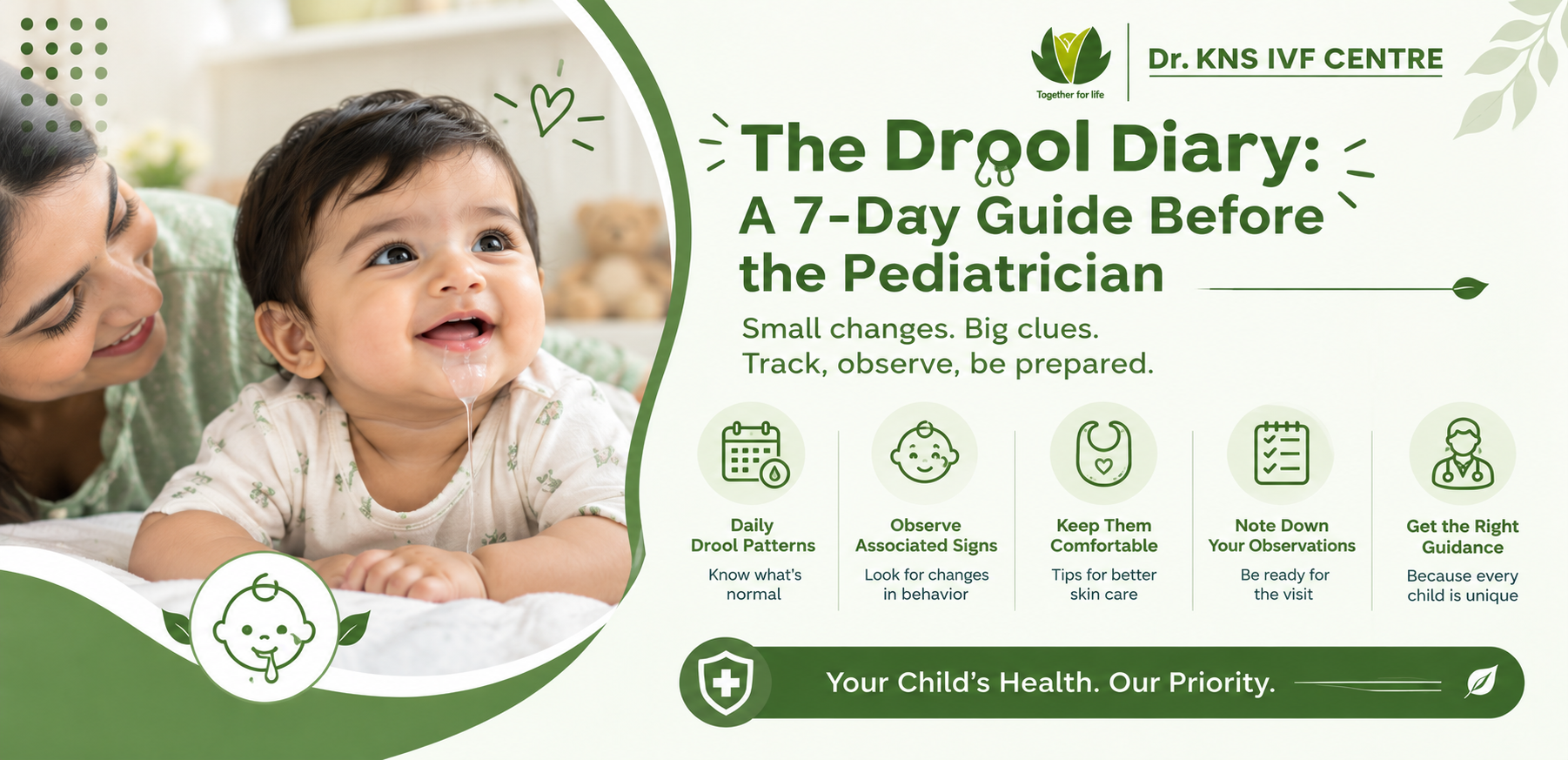
Why a 7-Day Drool Diary Can Help Parents
Understanding your infant's development requires careful observation over several days. Parents frequently find themselves questioning if certain behaviors fall within expected clinical milestones. A dedicated seven day observation log provides a structured way to document these daily physical changes accurately. When you track the baby drooling, you gather highly factual data that medical professionals find incredibly useful. This simple tracking method removes the guesswork from your daily routine. Instead of relying on memory, you have a clear written record of their habits. This prepared information allows your doctor to evaluate the situation effectively. It helps confirm whether their oral motor skills are developing normally or if closer monitoring is required during their upcoming pediatric checkup
Drooling Is Common, But Patterns Can Matter
Parents often wonder, why do babies drool during their first year? It is a perfectly natural part of infant development that assists with swallowing and digestion. However, keeping track of how your little one manages this saliva provides valuable insights. Tracking these patterns helps distinguish between standard developmental stages and matters requiring professional review.
What Parents Often Miss During Daily Routines
Life with a new infant is notoriously busy, making it incredibly easy to overlook subtle shifts in their daily habits. You might notice your baby drooling a lot on Tuesday but forget it by Thursday. Writing these events down for a full week helps you spot actual trends rather than relying entirely on fading daily memories.
What to Observe About Your Baby’s Drooling
When starting your observation log, it is important to focus on specific, measurable details rather than general impressions. Begin by noting the exact physical environment and the child's current state of activity. Medical professionals rely on factual data to make accurate assessments, so your diary should capture the exact circumstances surrounding the saliva production. Documenting these moments systematically ensures you do not miss any critical clinical details. Pay close attention to their posture, their engagement level, and any objects they might be interacting with at the time. It is also beneficial to record their feeding schedule alongside these observations. Connecting meal times with saliva levels can reveal important digestive or swallowing patterns. Your pediatrician will appreciate having a comprehensive view of how the excessive drooling in babies interacts with their standard daily routine. By maintaining a highly objective record, you transform casual daily observations into a structured clinical tool. This organized approach provides your healthcare provider with the exact information they need to evaluate your growing child accurately and efficiently during your next scheduled appointment.
When Drooling Happens Most Often
Timing remains a crucial detail to record in your log. Note if the saliva flow increases during specific activities like playing, eating, or babbling. Some parents observe their child drooling while sleeping, which is a helpful detail. Tracking the exact time of day provides a clear picture of when these moisture peaks naturally occur or subside.
How Much Drooling You Notice
Estimating the exact volume can be tricky, but practical markers help immensely. Count how many times you change a bib or a shirt in a single day. If you are asking why is my baby drooling so much, noting these physical changes gives the pediatrician a realistic measure to evaluate accurately during visits.
Changes in Drooling From One Day to Another
Consistency matters significantly when evaluating infant health habits. Watch for fluctuations over the week to see if the drooling in children stays the same or intensifies. A brief diary will highlight any sudden shifts. Documenting these daily changes creates a reliable baseline for any medical professional to review carefully at the clinic.
Your 7-Day Drool Diary: What to Record Each Day
Creating a structured weekly log requires consistency and a clear understanding of what details matter most to your healthcare provider. Breaking the week into specific observation phases helps you gather the most relevant clinical data without feeling overwhelmed. The first phase focuses entirely on establishing a reliable baseline. You need to know what a standard day looks like before you can accurately identify any unusual spikes or drops in saliva production. Once this baseline is clearly defined, the focus shifts to identifying environmental or physical triggers. This step involves watching how your child reacts to new foods, toys, or shifts in their daily routine. Understanding these external factors provides critical context for your pediatrician. The final phase of the week is dedicated to comparing these new observations against your initial baseline. This comparative approach highlights any progressive changes in their oral motor control. By following this systematic seven day structure, you ensure that every note you take serves a clear medical purpose. Your final log will be a highly organized, factual document that presents a complete picture of the situation. This level of detail is exactly what medical professionals need to make informed decisions about investigating excessive saliva in babies and evaluating your infant's ongoing development. Remember to keep your daily notes brief but highly specific, focusing on measurable physical events rather than vague verbal descriptions to ensure maximum clinical value.
Day 1–2: Establishing Your Baby’s Usual Pattern
Start your diary by simply watching your child on a normal day. Write down how many bibs they go through and their general comfort level. If you suspect a toddler drooling excessively, these first two days will map out exactly what their typical routine looks like without overthinking the daily process. This baseline is essential for future comparisons.
Day 3–4: Noticing Triggers and Situations
Focus on what happens right before the saliva increases. Are they chewing on toys, trying new foods, or showing signs of frustration? Identifying triggers clarifies whether the baby drooling excessively is linked to external stimulation. You might notice spikes during highly active play or focused motor skill learning moments, which should be carefully logged.
Day 5–6: Watching for Changes or New Patterns
Use these days to compare against your initial baseline. Look for any new developments or shifts in their behavior. If you observe persistent drooling in children, note if it disrupts their feeding. Spotting a trend like too much saliva in babies gives your doctor a better understanding of their oral motor control and swallowing coordination.
Day 7: Reviewing the Week Before the Visit
On the final day, review your notes to summarize the most common events. Look for repeated triggers and calculate the average number of daily bib changes. Organize these observations into a neat list. If you are dealing with constant drooling in toddlers, having a concise weekly summary ensures you communicate the facts clearly and efficiently during your upcoming pediatric consultation without missing details.
Drooling Triggers Parents Should Pay Attention To
Identifying the specific events that stimulate saliva production is a crucial part of your observation process. Infants react physically to a wide variety of environmental and internal changes. Documenting these specific catalysts provides your pediatrician with a much clearer understanding of your child's physiological responses. It is important to separate normal developmental milestones from potential clinical concerns. High energy activities, emotional shifts, and physical growth phases all play a significant role in how an infant manages their mouth and throat muscles. By carefully tracking these external influences, you help the medical professional see the complete picture. This factual data prevents unnecessary worry by explaining exactly why certain physical changes are happening. A well maintained log will quickly reveal if the moisture increases are tied to expected life events or if they occur randomly without any obvious external cause. Understanding these distinct patterns helps your doctor determine if the drooling in toddlers requires further medical evaluation or simple routine monitoring.
Teething, Excitement, Crying, and Activity
High energy and new teeth are classic triggers. When infants are excited or upset, they often forget to swallow, causing a temporary overflow. If you notice a toddler drooling during active moments, write it down. These emotional milestones are completely standard reasons for temporary spikes in their natural daily saliva production.
Drooling During Sleep or Quiet Time
Resting phases offer different clinical clues. Check if the crib sheet is wet when they wake up. Observing baby drooling while sleeping helps determine if the issue happens around the clock or only when they are awake. This distinction is very useful for your pediatrician to evaluate carefully.
Drooling Alongside Other Noticeable Changes
Always record any accompanying physical signs. A rash around the chin, a slight change in appetite, or fussiness should be documented alongside the tracking. When excessive drooling in children is paired with other mild symptoms, the diary helps connect the dots, allowing the medical professional to assess the situation accurately.
When Drooling May Be Worth Mentioning to a Pediatrician
While most saliva production variations are perfectly normal, certain specific patterns warrant a professional medical review. Your observation log is designed to highlight these exact moments clearly. Medical professionals rely on parents to report any structural or functional difficulties an infant might be experiencing at home. Identifying these signs early ensures that any potential issues are addressed promptly during a routine clinical visit. It is essential to monitor how the moisture levels interact with their breathing, eating, and overall comfort. If their daily habits are significantly disrupted by their inability to manage their natural secretions, this factual data must be shared with your doctor. A detailed record helps the pediatrician distinguish between standard developmental phases and situations that might require a more thorough clinical investigation. Sharing these specific, recorded instances ensures your growing child drooling concerns are evaluated with the highest level of professional accuracy and care.
Persistent or Sudden Changes in Drooling
A steady pattern is usually fine, but abrupt shifts deserve attention. If an older infant suddenly starts soaking their clothes, note the exact date. Documenting this sudden excessive drooling in child behavior provides a clear timeline for the doctor to review carefully during your next scheduled clinical appointment.
Drooling With Coughing, Choking, or Swallowing Difficulty
Saliva management involves swallowing coordination. If you notice your child coughing frequently while eating or struggling to swallow, this is critical data. Recording these specific moments gives clear context to the drooling in children beyond just a simple mess on their daily clothing, helping rule out concerns.
Mouth, Skin, or Behaviour Changes Alongside Drooling
Look out for secondary effects like irritated facial skin or a reluctance to open their mouth. A persistent rash from constant wetness is a common detail to track. Doctors appreciate knowing if the excessive drooling in babies is causing external discomfort or any noticeable changes in feeding habits.
What to Take to Your Pediatrician’s Appointment
Preparing for your clinical visit ensures that your doctor has all the necessary facts to make an informed assessment. Bring your complete seven day written log directly to the consultation room. Highlight the specific days with the highest volume and any particular physical triggers you identified during your careful home observation. This prepared information takes all the guesswork out of the medical consultation. It allows the healthcare provider to analyze the data quickly and focus entirely on accurately assessing your growing infant. Having a physical document ready demonstrates your commitment to accurate reporting. It ensures that no vital details regarding the child drooling are forgotten in the rush of the appointment, leading to a much more productive and highly focused medical evaluation.
Notes, Patterns, and Questions From Your Diary
Bring your complete written log directly to the clinic. Highlight the days with the highest volume and any specific triggers you identified. This prepared information allows the doctor to analyze the facts quickly and focus entirely on accurately assessing your growing baby during the short consultation time, making the visit highly efficient and focused.
Why Specific Examples Are More Useful Than “A Lot”
Vague verbal descriptions are notoriously hard to evaluate clinically. Telling a doctor there is baby drooling a lot does not offer a measurable scale. Stating that you changed six soaked bibs before noon gives them a precise metric. Clear data points help the pediatrician make highly informed and accurate clinical decisions regarding their health.
Questions Parents Can Ask About Their Baby’s Drooling
Asking the right questions during your consultation helps you understand your infant's development clearly. Use the factual data you gathered in your observation log to guide the conversation with your healthcare provider. This structured approach ensures that all your specific clinical concerns are addressed thoroughly. Medical professionals appreciate when parents come prepared with highly focused, data driven inquiries. It allows them to provide precise, actionable guidance tailored to your child's unique situation. Discussing the patterns of the toddler drooling openly ensures that you leave the clinic fully informed and confident in the next steps for their ongoing daily care.
Is My Baby’s Drooling Appropriate for Their Age?
This is the best starting question. Saliva production changes rapidly in the first two years. Asking this helps you understand the developmental timeline. It clarifies if the toddler drooling you see matches their current stage of oral motor skill development or if it requires a bit more daily monitoring.
Should We Monitor or Investigate the Pattern Further?
Use your diary to ask about next steps. If your notes reveal persistent drooling in children, ask the doctor if you need to continue tracking it. This factual approach ensures you leave the clinic with a clear plan, knowing exactly what signs to watch for moving forward.