
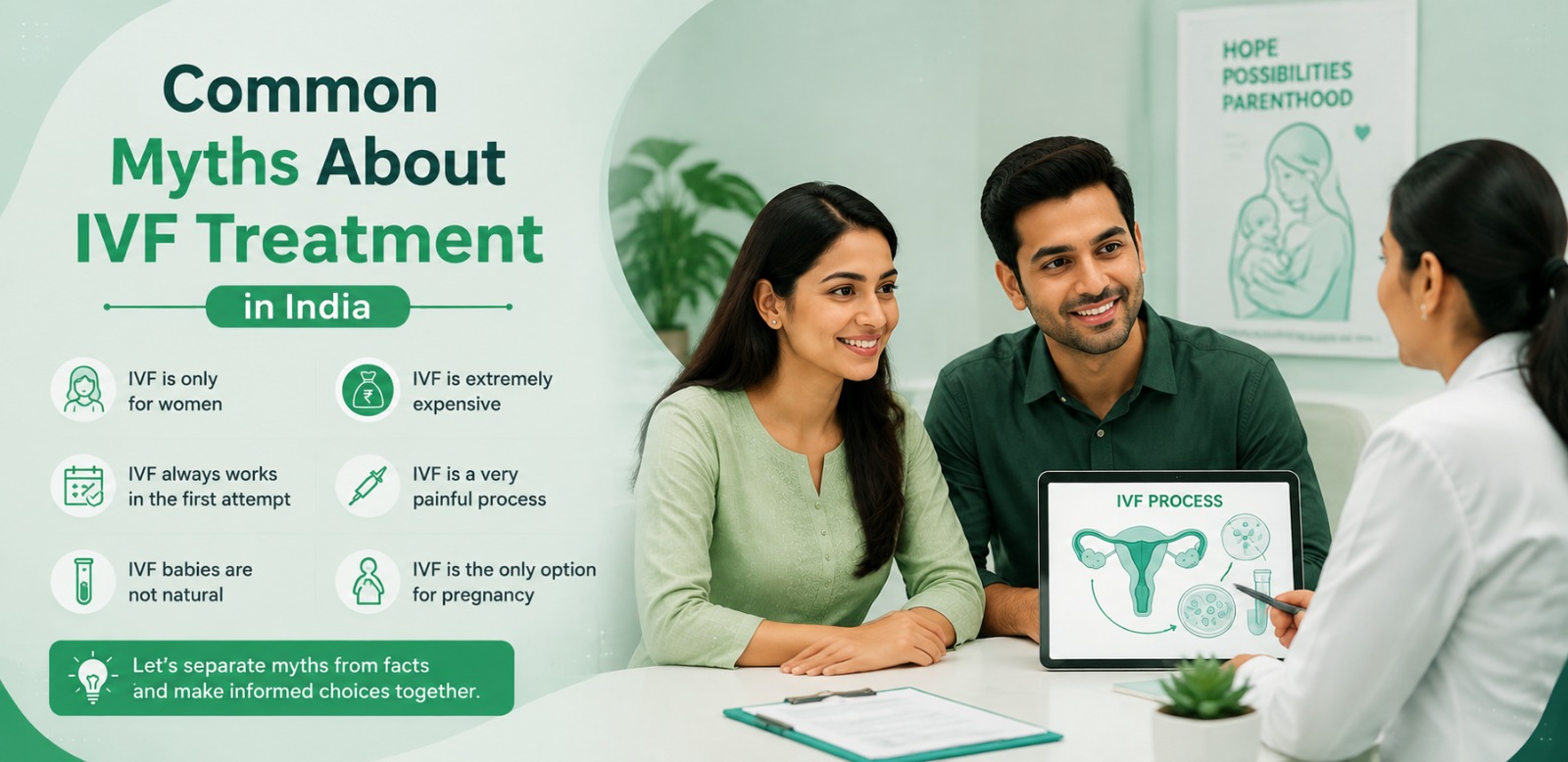
Why IVF Is Often Misunderstood in India
Despite helping numerous couples conceive in India, in-vitro fertilisation is one of the most misunderstood medical procedures. Infertility is still shrouded in silence in many homes, and there's a void of information, only assumptions.
Many people don't talk to a fertility specialist because the topic is so personal and sensitive, they only use information from people they know or bits and pieces of information online. A friend's challenging experience or an old article can influence a person's perception of the whole IVF process.
There is a lack of open and accurate information which can contribute to unnecessary fear, delayed treatment or unrealistic expectations. It is crucial for anyone thinking of undergoing IVF treatment to understand what it actually is, and what it is not.
Thankfully, there's been a little progress in understanding fertility treatment, as more couples are now willing to talk to fertility professionals instead of assuming what the treatment might be.
Why Myths About IVF Continue to Spread
Unfounded rumors about IVF tend to proliferate when people don't feel comfortable talking about fertility issues openly, and resort to rumors instead of medical advice. Social media exacerbates this too – anecdotes and half-truths move faster around than the accurate doctor-approved information. If there is no reliable source to turn to, misinformation becomes repeated, and begins to seem like a fact of life, even if it has little to do with clinical experience.
Myth 1: IVF Always Guarantees Pregnancy
A common misconception is that IVF is a sure way to get pregnant. The treatment has been shown to help those who want babies conceive, but it is medical, not guaranteed, and results are different for different people, depending on a number of health-related factors.
IVF is based on the retrieval of eggs, their fertilization in a laboratory and the subsequent transfer of the embryo to the uterus, and each of these steps is dependent on biological factors which are not always controlled. The quality of the egg and sperm, the condition of the uterus and the development of the embryo all contribute to the success of a cycle.
That's why fertility doctors typically have a conversation with their patients about what they can reasonably expect before beginning treatment, instead of telling them what they can expect to achieve. Being aware of the IVF process and the fact that it increases the odds of pregnancy, but cannot guarantee it, can help couples make an informed decision and approach treatment with a focus on their chances of success.
Understanding IVF Success Rate in India
The ivf success rate in india depends on the age of the couple, cause of infertility, and the ivf protocol followed at the treatment center. Doctors don't use a single success rate per se as success rates tend to drop with age, with a higher success rate in younger patients. Patients who are interested in treatment are advised to consult with a fertility specialist to obtain a realistic idea of what their particular cycle will entail.
Myth 2: Age Does Not Affect IVF Success
One of the most common misconceptions is that IVF success rates don't vary by age, but actually age is a major determinant in treatment success. As women get older, their bodies won't respond as well to fertility treatment, and as they age, their eggs naturally become fewer and lower in quality.
People often think that because IVF is an assisted technique it can make up for ageing changes, but it cannot! IVF may solve some fertility issues but it can't solve all of them and only as long as the person's reproductive health allows.
That's the reason why fertility experts encourage those who are thinking about IVF – especially those older than 30 to come in earlier rather than later. By evaluating earlier, doctors can plan treatment with a better understanding of what they can expect for that person.
When considering ivf success rates by age, it is important to consider both sexes, since male age-related decline is typically less significant than female age-related decline, but it can be present.
IVF Success Rate in India by Age Explained
The age of the patient is one of the major factors that influences success rate of ivf in india, younger patients have a better chance of success and the chances of success tend to drop as the age of the patient increases, especially after the mid-thirties. IVF success rate by age are linked to egg quality and the number of eggs available in the ovary. As such, doctors may use ivf success rate in India by age as part of a comprehensive assessment, along with other health considerations, to determine realistic expectations and plan a course of treatment for the individual.
Myth 3: IVF Is Successful in the First Attempt for Everyone
One might assume that IVF is likely to be successful the first time for most patients, but this is not the case, and success stories are likely to be discussed more frequently than the number of patients who have multiple cycles. Many patients require more than one cycle to get a successful pregnancy.
This is not a failure of treatment or a problem, IVF is a process that may need some changes in the medication protocols, treatment of an underlying health problem or simply giving the body more time to respond well.
It's important to know that IVF can sometimes require multiple cycles, which can help to minimize unnecessary stress and disappointment. The results of the first cycle may be used to optimise approach for further cycles, with each one having a significant chance of success.
Additionally, it's important to keep in mind that the patient's journey varies from person to person and comparing your own experience with other patients will not give you an accurate idea of what you can expect from your own treatment.
Factors That Influence IVF Success in the First Cycle
A number of factors influence the ivf success rate in first attempt, such as the patient's age, how many eggs the body produces, the cause of the infertility and the body's response to stimulation medication. Other factors like lifestyle, weight, stress and general health can also help. Each patient's case is unique, and doctors will closely monitor the first cycle, to learn from both the experience and diagnostic testing what changes may be beneficial if further cycles are required later. This close monitoring also assists in detection of any underlying issues that may not have been evident prior to treatment.
Myth 4: IVF Treatment Is Too Expensive for Most Couples
One of the reasons why people are reluctant to try IVF is cost, and they think that it is too expensive. IVF is an expensive procedure, but the price is different for every IVF center and depends on the type of protocol that needs to be followed, as well as any other procedures that may be necessary for a patient.
Depending on the couple, it may be necessary to use only one cycle, or more cycles, medications, or supportive procedures, which will impact the overall price. This factor makes it difficult to make general statements about whether IVF is affordable or not without knowing the patient's treatment plan.
Many clinics also have package deals or payment plans that allow couples to spread the cost of treatment over several payments, making it more affordable. It is best to contact the clinic directly to get a quote of what treatment may cost, rather than making assumptions.
Understanding IVF Cost in India and What It Includes
The ivf cost in india generally includes several items such as consultation, diagnostic tests, medication, egg retrieval, embryo culture and embryo transfer. Depending on treatment plans, other procedures, such as genetic testing or frozen embryo transfers, can further increase the total cost. Prices vary from clinic to clinic and patients are encouraged to request a detailed breakdown before commencing treatment, so that they can have an idea of what to expect to pay at each step of their treatment journey rather than be surprised in the middle.
Choosing the Right Fertility Centre for Better IVF Outcomes
Choosing a fertility centre can have a significant impact on the experience and outcomes of a couple, so it's worth taking time to make the right choice. Good communication, fair pricing, and sincere emotional support are all part of a more seamless treatment experience, in addition to the technical skills.
A reliable fertility centre will go through the process, be patient in answering questions and not promise more than they can deliver. The availability of modern laboratory equipment and experienced embryologists are also crucial to the management of a cycle.
Overall, a sense of comfort and knowledge throughout the entire treatment process can truly impact the emotional and physical challenges faced by couples during the IVF journey.
Questions to Ask Before Starting IVF Treatment
It is beneficial to ask the clinic about the way they diagnose a patient and what treatment they generally suggest, as well as how they tailor their treatment to the specific patient. Also, it's important to inquire about the typical time frame, an extensive cost estimate breakdown, and the clinic's emotional backing during a procedure that may be taxing at times.
Separate IVF Facts from Fiction
While IVF has assisted many individuals in creating the families they have envisioned, the process can come with a lot of information that can be confusing. When couples know what to expect from treatment, and not what they've heard from friends or myths about treatment, they are better equipped to make informed decisions.
The next step after considering IVF is to consult with a qualified fertility specialist who can answer your questions and assist you according to your health profile, not assuming anything.
Frequently Asked Questions
Latest Blogs