
Introduction
The journey to pregnancy is an exciting one, but sometimes the road to pregnancy can be a challenging one, setting out an emotional roller coaster. Some women come to the conclusion that, ‘Why am I not getting pregnant?′ and are at a loss for an answer as to why their time is being wasted. It can be postponed from time to time but if it is occurring continuously then it can be a sign of infertility in women. When you see the first signs of trouble and receive medical advice when you need it, you'll be better able to determine what is going on and work to improve chances for a healthy pregnancy.
What Is Female Infertility?
Twelve months after unprotected sexual intercourse without pregnancy has occurred (or six months if the woman is more than thirty-five years old) is usually taken as the definition of infertility. Why the 12-month rule? It's because doctors reserve about a month or so to distinguish between a normal delay and a fertility problem, and it takes a healthy couple that much time to get pregnant.
Infertility comes in two forms. Primary infertility is the inability of a woman to become pregnant after a certain period of time. Secondary infertility, however, is when a woman has had a pregnancy and is not able to conceive again. Both can stem from the same origin but have different emotions.
Remember that the word ‘infertility' does not necessarily imply that the couple will become childless forever. Female infertility is generally a treatable condition and a majority of women who seek female infertile in time conceive successfully. As diagnostic testing and fertility treatment has advanced in most cases, the exact cause can be identified, and it can be solved either by altering lifestyle, medication, or assisting the fertility process.
Signs of Infertility in Women You Shouldn’t Ignore
Early detection of signs of infertility can help you seek medical advice and decrease the frustration. Many times, there are symptoms that are common to all women with infertility and knowing and understanding these first steps is the start to getting answers. It's important to be aware of the signs that may be occurring in your body so you can avoid any delays in diagnosis and treatment that can occur if you ignore them.
Irregular or Absent Periods
Most of the female infertility symptoms are irregular and irregular absence of periods. The normal range for a cycle is 21-35 days, and if it is regularly outside of this range, it may be a sign of hormone imbalance or an issue with ovulation. Some women get their periods at irregular intervals or for longer periods. Irregular periods are directly related to ovulation, so when it occurs it is unlikely the eggs are being released in the appropriate manner and it becomes very difficult to conceive without intervention.
Hormonal Imbalances
The signs of hormonal imbalance may not just be the cycle of menstruation, but other physical changes may occur. Facial or body hair growth, an acne outbreak when you're an adult, and a decrease in hair on your scalp or a sudden weight gain may indicate conditions like polycystic ovary syndrome or thyroid disorders. These changes in hormones affect the normal ovulation cycle. A deviation of the levels of oestrogen, progesterone or androgen outside the normal range makes the reproductive system less likely to function properly, and this can impact the likelihood of natural conception.
Painful Periods or Pelvic Pain
If periods are painful and make it difficult for you to function, it's not normal. If you experience cramping, pain in the pelvis while you're having sex, or pain all month long, it may indicate a medical problem such as endometriosis or pelvic inflammatory disease (PIID). These conditions may cause damage to the reproductive organs without symptoms and therefore early evaluation is crucial, not just treating pain with medication.
Difficulty Conceiving Over Time
One of the most obvious indicators is that for many women, it just takes time after they have tried for a child and aren't getting a positive pregnancy test and they realize there isn't one. After 12 months of not becoming pregnant it is worth investigating, instead of waiting for it to turn into a year. This often occurs with other symptoms and is the most telling sign that something is amiss with fertility.
How to Tell If You Are Infertile
There are many women who want to find out whether they are infertile without immediately having to do medical tests. Although self-observation may not be the best way to go, there are some patterns that can provide helpful clues before seeking out a specialist. Knowing the length of your cycle, the symptoms of ovulation and any recurring pain can help you be able to answer some of the following what are signs of infertility questions without a formal diagnosis.
When to Start Worrying About Fertility
Missing a period once in a while or having an irregular period is not an immediate cause for concern, because stress, travel and minor illness can cause periods to arrive a little late. If this doesn't happen after a few months, or after having tried to conceive for a year without success, however, then it is okay to begin looking for answers. For women over 35 years of age, the six-month period should not be exceeded because the fertility levels decrease with age and earlier evaluation leaves more options available for treatment.
Medical Tests That Confirm Infertility
Blood tests are usually the first test performed to evaluate fertility, including checks on hormone levels such as LH, FSH, thyroid function etc. Doctors use ultrasound to see inside the uterus and the ovaries for abnormalities, fibroids, and cysts and a hysterosalpingography can check if the fallopian tubes are blocked. In some cases an ovarian reserve test may also be ordered to make an assessment of the quality and quantity of eggs. Combined, these tests provide a good idea of what may be stopping you from becoming pregnant and can guide you to the best treatment options.
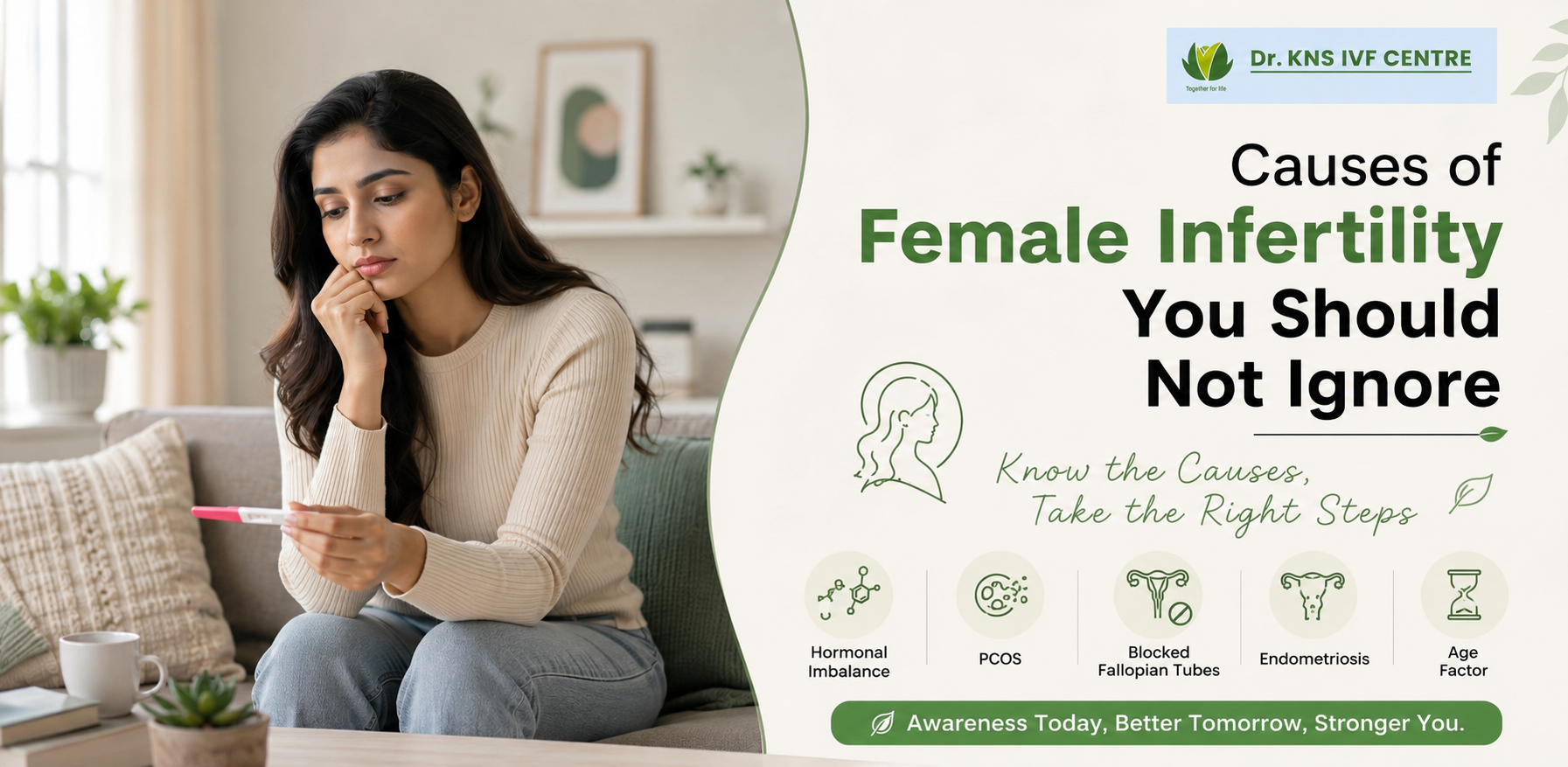
What Causes Infertility in Women?
The root cause of infertility in women is crucial in determining the treatment approach to take, as each person's condition is unique. In general, there are several causes of infertility that can be classified as a problem with ovulation, structural problems in the reproductive organs and some combination of lifestyle and age-related factors. Interestingly, causas de infertilidad femenina is researched across the world and the patterns revealed by research from across the world consistently show similar patterns, indicating that it is not a unique phenomenon of any region but is a global concern. Proper diagnosis can help identify the cause of female infertility, which then helps the doctor to determine the right treatment for each individual.
Ovulation Disorders (PCOS, Hormones)
One of the most common causes of infertility in women is ovulation disorders and one of the most important causes of these disorders is polycystic ovary syndrome. The cause of irregular or missing ovulation in PCOS is due to the imbalance of hormones. Other hormonal disorders, including hypothyroidism, hyperprolactinemia or early menopause, can also cause irregularities in the ovulation cycle. Even if the other factors affecting a person's reproductive health are excellent, natural conception is very challenging if their eggs don't release on a regular basis, or at all. Luckily, when diagnosed properly most ovulation problems can be treated with medication.
Blocked Fallopian Tubes
The fallopian tubes have an important function in helping to move the egg and the fertilised egg to the uterus and the sperm to the egg. This journey can be blocked by obstructions which may be due to previous infection of the pelvic cavity, endometriosis or previous surgery. A partial blockage can drastically reduce the likelihood of natural conception and often women don't know they have the problem until they get one of the fertility tests.
Uterine or Cervical Issues
Embryo implantation can be affected due to structural issues inside of the uterus, like fibroids, polyps or irregular shaped uterine cavity. Sperm can also be hampered from traveling properly if there are problems in the neck, such as cervical problems (abnormal production of mucus or narrowing of the cervical canal). Such conditions can usually be corrected with a simple surgical or medical procedure.
Lifestyle & Age Factors
One of the biggest factors that can impact on female fertility is simply age—after their early thirties, women lose egg quality and quantity. In addition to age, lifestyle factors like smoking, excessive drinking, poor nutrition, high stress and being significantly overweight or underweight can disrupt the hormonal balance and ovulation, further complicating fertility concerns.
Signs of Fertility in Women (Positive Indicators)
Although a lot of focus is paid to warning signs, it is also important to know the signs of women's fertility, which is comforting and helpful for their understanding of when they're most fertile. A body displaying these positive markers will usually be reproducing well, and if not, will be able to do so at any time.
Regular Menstrual Cycle
The most apparent sign of regular ovulation is a regular cycle length, typically between 21 and 35 days. If you have regular periods and they arrive at the same time every month, your hormonal system is healthy and balanced.
Healthy Cervical Mucus
A healthy cervix will change prior to ovulation, making the mucus clear, elastic and slippery like raw egg white. This change is an indication that the body is creating an optimum environment for the passage of the sperm and their survival, and that means it's time for ovulation.
Ovulation Symptoms
Some women feel a slight twinge in one or both thighs around the time of ovulation (called mittelschmerz), have a slight increase in their basal body temperature, or feel a slight increase in their libido at this time. These subtle physical signs can help you determine that every month you are ovulating as you should.
Why Am I Not Getting Pregnant? Common Reasons
In addition to medical disorders, there are a number of factors in everyday life that may unknowingly impact your fertility. For example, chronic stress may affect hormones that regulate ovulation, leading to a vicious cycle of anxiety over not getting pregnant causing further delay. Many couples also suffer from timing problems without realizing it – they don't know and don't understand what the narrow window is each month, if they were to go for ovulation tracking without guidance. The window of opportunity this occurs in is usually for just a couple of days either side of ovulation and even minor errors can make conception far less likely.
In other cases, underlying conditions are not diagnosed for years until symptoms are seen as a result of mild or being misinterpreted. In some cases, there are no warning signs, such as mild endometriosis or subclinical thyroid dysfunction, and can deceptively be affecting fertility without being apparent, leading to a significant proportion of cases being assessed by specialists that are classified as unexplained.
It also needs to be borne in mind that sometimes infertility is a male problem. Infertility in males is caused by low sperm count, motility or quality and forms almost half the cases of infertility in couples. That's why, when a couple is considering the issue of difficulty, it's best to take both of them into account instead of assuming the problem is with the woman. When looking at the issue from a holistic perspective, including stress, timing and health of both partners, answers can be found that would not show up in a one-faceted investigation.
Female Infertility Treatment Options
Fortunately, the treatment of women infertility has come a long way with a number of different options available, depending on the cause of the infertility. To make sure that each woman is treated for her condition, doctors first make an effort to explore the least invasive infertility treatment for female options before moving to more advanced options.
Fertility Medications
Clomiphene citrate or letrozole are usually the initial fertility medicine for females with ovulation disorders. They cause the ovaries to ovulate more often and many women become pregnant after a few cycles of therapy. In certain cases, using injectable hormones is suggested to more carefully control the process of ovulation, especially when oral hormones are not effective.
Lifestyle Changes & Natural Support
In addition to medical treatment, maintaining a balanced diet, low body weight, and low stress and avoiding smoking and excessive alcohol consumption can make a difference in terms of fertility. Moderate exercise is important for maintaining a balanced hormonal system and good sleep is important for maintaining the reproductive hormones that control ovulation. These changes are best done in conjunction with medical advice and not on their own.
Advanced Treatments (IVF, IUI)
For those who haven't been able to conceive after making medical changes and lifestyle changes, more advanced fertility treatment options, such as intrauterine insemination (IUI) or in vitro fertilisation (IVF), may be more successful. In IUI, the prepared sperm is directly introduced into the uterus at the time of ovulation and in IVF the eggs are fertilized by the sperm in the test tube and the developed embryo is placed in the uterus. Clinics customize the treatment depending on the results of the appropriate tests and these treatments are especially effective for blocked fallopian tubes, severe male factor infertility, or when other treatments have failed.
When to Seek Help
It can be a lonely experience to struggle with infertility, but it's important to realize that infertility in women is not a sentence and can be treated. Eventually, most women who are seeking medical advice at an early stage find a way to conceive, which may be done through simple lifestyle changes, or more advanced fertility treatments.
After waiting for more than a year having tried to conceive or six months if over the age of 35, it may be time to seek help from a fertility specialist instead of waiting and hoping. Early evaluation provides a greater number of treatment options and minimizes unnecessary stress. Don't go through this life journey with fear, for most women who are dealing with fertility issues, parenthood is a reality they can attain, with the proper medical assistance, understanding their body's signals, and timely intervention.
Frequently Asked Questions
Latest Blogs