
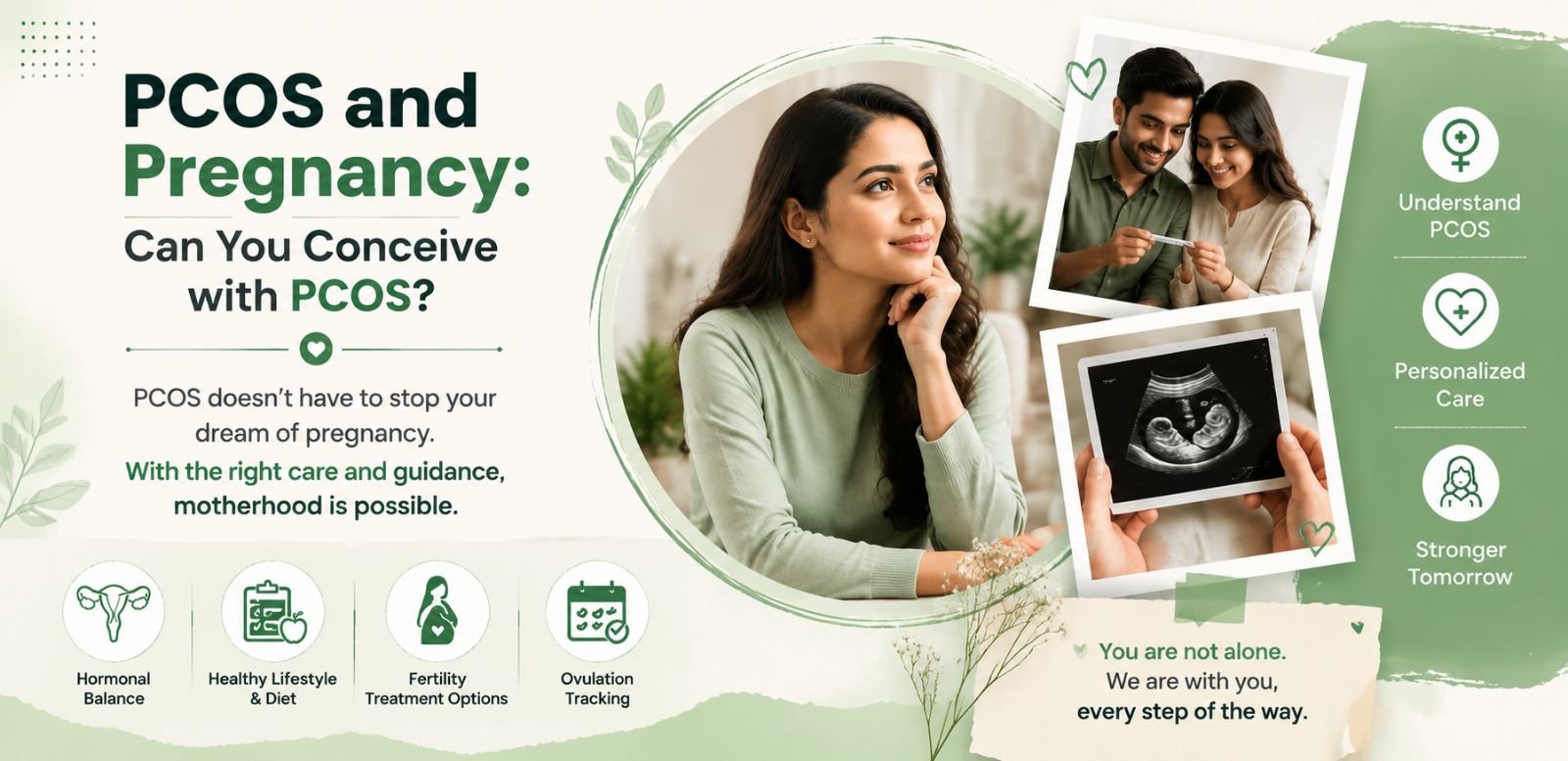
PCOS, Polycystic Ovary Syndrome, is a hormonal dysfunction, one of the most frequent among women in fertile years. It's a very common hormonal imbalance that affects a number of systems within the body. As such, it can manifest in the form of absent ovulation and irregular menstrual cycles, and can also result in difficulties getting pregnant with PCOS. Can you get pregnant with PCOS?
The good news is that the majority of women who have PCOS can and do become pregnant with a few lifestyle changes and medical advice and, when necessary, fertility treatment. The first step in coping with PCOS and fertility is to better understand what it is and what it means for one's fertility.
Can You Get Pregnant with PCOS?
Many women ask this question when they're diagnosed with PCOS and the answer is yes PCOS patient can be pregnant. Although very common, it is not a reason that a woman can't become pregnant and it is a question that doctors answer affirmatively for most women with PCOS.
While the condition does not affect the ability of women to conceive, the success of pregnancy varies from woman to woman because of the varying effects of PCOS on ovulation depending on the levels of different hormones, weight and insulin resistance.
It is important to remember that while a woman with PCOS may experience irregular periods, this does not mean she cannot become pregnant, she may be able to ovulate, but not always in the same way.That's why it can help to keep track of your cycles and talk to your doctor early on to help answer the question of can I get pregnant with PCOS? Can pcos women get pregnant is a common question asked by many women who are diagnosed with PCOS and whether can you have kids with PCOS is another common question.
Why PCOS Affects Fertility
PCOS interferes with the hormones that are necessary to have a normal ovulation, so the eggs may not be released every month. Increased levels of androgen (males) and insulin resistance (diabetes) are very common in PCOS and can disrupt the signals that lead to ovulation. Because many women with PCOS have longer periods to conception, they have irregular periods without the release of an egg; this is known as anovulatory cycles.
Can Women with PCOS Conceive Naturally?
Yes, lots of women with PCOS do conceive naturally, particularly if they still have regular enough ovulations to conceive. For some women, the chances of a natural conception are increased by keeping the weight at healthy levels, managing insulin resistance and monitoring the signs of ovulation. However, natural conception does not happen for everyone and for some women it will be necessary to seek medical assistance to help regulate the ovulation.
How Hard Is It to Get Pregnant with PCOS?
The truth of the matter is, it depends. How hard is it to get pregnant with pcos comes down to how consistent they are in ovulating and that could be different for each woman. Some are able to get pregnant within months of attempting, and others require a greater amount of time, or medical assistance to control their cycles.
But, note that PCOS isn't an indicator of infertility per se, but it can take longer and more patience to conceive. How easy or hard the process is to feel depends on a variety of factors such as weight, insulin resistance, and the way that insulin and other hormones respond to lifestyle changes and/or medications. With the help of a doctor who is familiar with PCOS, this can be a much easier experience as treatments can be tweaked as time goes on, depending on how your body reacts. Adhering to a treatment plan – whether it be a course of medication or another plan – is as important as the treatment itself.
Factors That Influence Pregnancy Success
There are a number of factors that will affect the ease with which a woman with PCOS can conceive, such as age, weight, insulin sensitivity and the frequency of ovulation. Hormone levels that underlie the condition may be involved as well, such as androgen levels and thyroid function. The body's response to treatment can be affected by lifestyle factors, such as diet, exercise and stress. These factors vary from woman to woman, so a unique assessment with a fertility specialist will best reflect the prospects for a woman.
How to Get Pregnant with PCOS Quickly
There is no sure way to conceive faster, but there are ways you can increase your chances of conceiving if you're wondering how to get pregnant with PCOS quickly. The first is to have knowledge about your own cycle. Even if cycles are irregular, you can track your ovulation by using the basal body temperature, ovulation predictor kits, and/or changes in your cervical mucus to determine your most fertile days.
Early collaboration with a doctor also tends to reduce the amount of time required because they are able to detect hormonal imbalance or problems with ovulation early, rather than later, and will make a recommendation for treatment that doesn't result in excessive delay. With medical intervention and lifestyle adjustments (e.g. being a healthy weight, controlling insulin resistance), there is a greater likelihood of the body ovulating regularly and therefore the likelihood of conception increases with every cycle.
If after a reasonable time, natural methods are unsuccessful, medications which promote the production of ova may be initiated relatively early for some women. It's important not to delay too long and get assistance, as early evaluation typically results in a more clear and rapid course of action, and the uncertainty of months can be avoided.
Lifestyle Changes That Improve Fertility
Women with PCOS can make small, regular changes in their lifestyle that can make a difference when it comes to fertility. A well balanced diet, exercise and weight control may help improve insulin sensitivity and thus, help to regulate ovulation. Minimizing stress and emphasizing sleep also support, as they can affect hormones. These changes are not used instead of medical treatment when it is required, but can be used effectively in conjunction with medical treatment and benefit many women.
Medical Options to Improve Ovulation
If altering your lifestyle isn't enough of a kick start for the ovaries to release an egg, doctors can prescribe fertility drugs to get the ball rolling. These medications can help with stimulating the ovaries, increasing the probability of conception during your ovulation cycle. In some instances, doctors also work on reducing any associated insulin resistance. What's best for you will be determined by your body's hormonal levels and your specific medical history - and this should be something you discuss with your doctor.
PCOS Treatment for Pregnancy
Generally, treatment for pregnancy with PCOS begins with the least intrusive treatment and is continued if necessary. First, doctors will look at lifestyle factors and if ovulation continues to be irregular, they will prescribe medication that promotes the release of more regular eggs, while closely monitoring the treatment at each stage.
If your first treatment doesn't work, other methods like hormonal support or assisted reproduction could be an option for women. Because the specific plan may vary from one treatment cycle to the next based on the body's response to the initial several cycles of treatment, follow-up appointments and monitoring are typically scheduled from the beginning of treatment.
Every woman's PCOS treatment for pregnancy is different, depending on her body's hormone levels, health history and how they will respond to the process. This is why it's best to work with a doctor who can make changes as needed, rather than following one protocol, which can be more effective and consistent in the long run.
Fertility Treatments Your Doctor May Recommend
If appropriate, a doctor may suggest an initial treatment with an ovulation-stimulating drug, and, if necessary, more advanced treatment. Intrauterine insemination could be recommended if the woman's ovulation has returned but she is still not conceiving. In-vitro fertilisation can be an effective method for women who require greater assistance, especially if they have not been able to become pregnant following other treatments. The recommendations are usually based on your age, length of attempting and the response of your body to previous treatment.
When to Visit a Fertility Specialist
If you are experiencing PCOS and have not been able to conceive after six months to a year, it's a good time to seek the advice of a fertility specialist. Women over 35 might be urged to get evaluated earlier because age may play a part in how quickly the treatment needs to proceed and how long they may have to consider other treatment options without stress.
Best Age to Get Pregnant with PCOS
Unfortunately, there is not one best age to get pregnant with PCOS, but it may be slightly easier to conceive in the twenties to early thirties. This is largely due to the fact that egg quality and number of eggs in the reserve naturally decreases with age, even in those who do not have PCOS.
However, there are women who successfully conceive with PCOS, particularly when treated and monitored correctly, even in their mid to late 30s. Better to have your doctor assess your hormone levels and ovarian reserve for your personal timeline (as opposed to your age).
PCOS Pregnancy Symptoms
It's often difficult to tell whether you have P COS or pregnancy symptoms since early pregnancy symptoms like swelling and irregular periods are triggered from P COS anyway. Thus why a blood or home pregnancy test is a much more accurate choice over PCOS pregnancy symptoms.
It's possible that you might develop other early pregnancy symptoms such as nausea, cramps or tiredness and sore boobs but if you've got PCOS it's usually hard to differentiate those from symptoms you would've had for PMS. In cases of long-term difficulty conceiving and late or absent periods, you should take the test, and consult your doctor to confirm it.
Improving Your Chances of Getting Pregnant with PCOS
Summarize the key takeaways and encourage readers to seek timely medical advice if they are planning pregnancy with PCOS.
While the pregnancy journey may feel less predictable with PCOS, the condition often doesn't keep you from getting pregnant completely. Most women with PCOS have a good chance of becoming pregnant, either on their own or with treatment, depending on their lifestyle or whether they track and monitor their ovulation.
The most crucial is not to seek too late for advice. If you are a woman with PCOS and are trying to conceive, it is important that you discuss with a fertility specialist what would be appropriate for you to do.
Frequently Asked Questions
Latest Blogs