
What Is Insomnia and How Does It Affect Sleep?
Insomnia isn't just a bad night. It's a legitimate sleep disorder, where the brain refuses to settle down or stay asleep for long or wakes up too early and can't get back to sleep – even though there's time to do so. Sleep is when your brain cleans up old toxins, strengthens your memories, and turns off hunger, stress, and energy hormones, so when your sleep gets repeatedly interrupted, it affects every part of your life. It affects your daytime functioning with slowed concentration, a moody low patience threshold, and the slower pace that makes the smallest of daily activities seem difficult. And it's the single most common sleep complaint that doctors see in patients of all ages and backgrounds.
When does occasional sleeplessness become insomnia?
Sure, we've all had a night or two of waking up at 2 a.m. before a big day - that is not insomnia. Usually, this means the difficulty of falling or staying asleep three or more nights a week for at least three months with daytime impairments and fatigue.
What Causes Insomnia? The Most Common Reasons
There's rarely one single answer to what causes insomnia. Most of us are experiencing a mixture of triggers that cumulate until sleep is no longer reliable, and viewing insomnia causes as a mix of individual elements, rather than one isolated issue, makes all of them so much easier to solve. In general, causes of insomnia fall into a handful of broad categories: your head, the habits you'd gotten into before bed, what's going on in your body, what you're putting into your body during the day, and the room you actually fall asleep in.
If you've had a stressful week, for example, there might also be more screen time or less exercise in the mix, and taken together that may be enough to cause sleeplessness, when isolated they might not have. This is why different people can be affected so differently, by what seem on the surface like the same cause: Someone bogged down by a workload may be fine until one too many late cups of coffee tip the balance. Someone else living with more peace might have a sleepless night thanks to an ever so slightly noisier neighborhood than usual. Zooming out to see the full picture can often be the key to unlocking one of life's mysteriously troublesome nights.
It helps to be aware of timing: sudden loss that coincides with a new job, new medication, move is likely to be connected, whereas a gradually developing difficulty over a few months is more likely to be the result of several cumulative factors. Recording a brief sleep diary over a couple of weeks, along with food and drinks consumed and the course of your day often reveals a pattern that would not be obvious without doing so. Next is the analysis of the remaining sections starting from the head.
Stress, anxiety, and an overactive mind
One of the most frequently seen reasons for lack of sleep is stress. Stress about work, money, family or health tends to grow louder once the bed time has arrived and the noise from things we cannot block out can be a pain in the night. Anxiety and depression can create sleeping problems too, because the mind is racing and can't calm the body down enough to go to sleep, and that's what the doctor will almost always ask about first when someone is trying to describe what causes lack of sleep.
Poor sleep habits and screen time
Disrupted bedtimes, extended naps, and a phone in hand before bed all interfere with the body's internal clock. The blue light from our electronic devices inhibits melatonin, the sleep hormone, leaving us to take a significant amount of time to actually drift off. Working in bed or watching TV further diminishes the mind's association of bed with sleep.
Medical conditions and medications
Without you noticing, these and other health conditions may also cause your sleep to be broken up: Obvious culprits are medications, such as some antidepressants, blood pressure pills, inhalers for asthma and some over-the-counter decongestants or painkillers with a stimulant. If your sleep disturbances began at the same time you started taking a new medication, be sure to let your doctor know.
Caffeine, alcohol, and lifestyle factors
A cup of coffee or tea in the late afternoon can stay in your system late into the night for some. And a cigarette later on in the night is definitely not going to be doing you any favours with the stimulant nicotine in it. And alcohol at first may make you sleepy but it actually stops that deep sleep from happening during the early hours of the morning and hence why you tend to wake up around 3am or 4am after having had a drink.
Environmental factors that disturb sleep
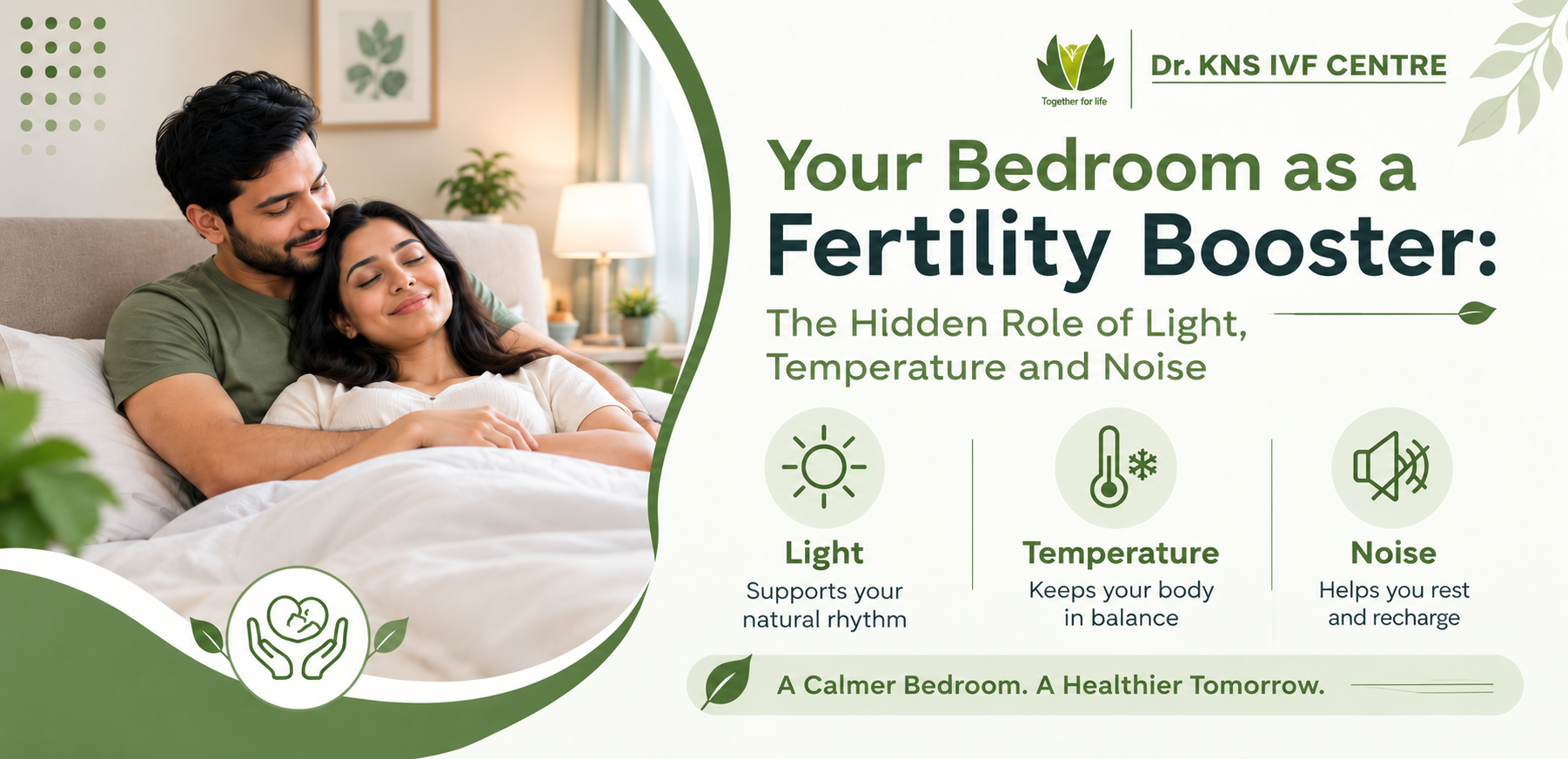
A room that is too warm, too bright, or too noisy makes it harder for the body to stay in deep sleep, even if falling asleep itself is not a problem. An uncomfortable mattress, a partner's snoring, street noise, or an irregular work shift that keeps changing your sleep window can all chip away at sleep quality night after night.
Why Can't I Sleep at Night Even When I'm Tired?
If you've ever googled why cant i sleep at 2 am, you are not alone. This has to be one of the top most frustrating reasons someone told a doctor about. You are feeling really tired throughout the day, eyes are fluttering closed on the couch, then finally when you head to bed and turn out the lights, your brain kicks on like you flicked a switch!
And that in itself is frustrating; lying there staring at the clock counting down the minutes until tomorrow is hardly the zen moment needed to relax the mind.
However, if you want to get to the bottom of this, we have to differentiate between two things that people often confuse; feeling sleepy and having an actual sleepy body. They can be kind of a package deal, but stressful situations, screens and a bad schedule can knock them apart and leave you feeling wide awake but empty.
Hidden reasons behind nighttime wakefulness
Tired and sleepy aren't the same thing. You may have all your energy drained and be wide awake if your cortisol is still high from stress, if you had a late nap, or your body rhythm has gotten a bit off-track. Low blood sugar and iron bombs are other subtle suspects. It's not a matter of why i can't sleep at night, it's a matter of, you're probably fighting at least one of a few offbeat culprits.
When racing thoughts keep you awake
An active brain thinking about yesterday, planning for tomorrow or anxiety about tomorrow is one of the most common reasons people stay awake although exhausted. Your brain actually confuses thinking with staying alive, so it won't turn itself off.
When to take persistent sleep problems seriously
If this happens most nights for several weeks and is beginning to impact your mood, memory or energy levels, it's not just a bad patch. That is when you need to stop the patience game and have a serious chat with your doctor, as soon as possible if you're unable to sleep each night.
Causes of Insomnia in Females
Women tend to experience insomnia far more frequently than men, and hormones play a huge role in this. Estrogen and progesterone both affect the brain's function in many ways that influence sleep directly, controlling everything from temperature regulation to brain activity associated with deep sleep, and when hormone levels are changing, sleep quality often changes just as much. Throw in the fact that women are statistically far more likely to have caregiving stressors to manage, don't just have time for everything and everyone, and are more likely to have feelings of anxiety or depression, and it's easy to see how hormonal changes often translate into bad sleep. Still, they certainly don't need to be an eventual part of life as a woman at any stage.
If you want to take the first real step to finding restful sleep for good, you need to identify which phase, whether hormonal, emotional, or situational, is responsible and target that.
Hormonal changes and menstrual cycles
It's not unusual to experience lighter, more easily awakened sleep a few days before your period when your progesterone begins to fall. This, along with more PMS symptoms, cramping, bloating or changes in mood for women are common causes of insomnia in females.
Pregnancy and menopause
More than three in four pregnant women experience some disruption to sleep, often worsening in the third trimester due to physical discomfort and shifting hormones. Perimenopause and menopause bring their own challenges, with roughly 40 to 60 percent of women facing poor sleep as hormone levels fluctuate and hot flashes interrupt rest through the night.
Emotional and lifestyle factors
Work and family obligations, responsibilities for raising children, caring for others, and heightened levels of anxiety and depression all can lead to stress that show up as broken sleep during the night. All of these typically combine with a woman's changes in hormones rather than stand alone, which is why insomnia is so stubborn.
What You Can Do If You're Having Trouble Sleeping
Having trouble sleeping isn't always something that should be cured with a pill-in fact for most people, they shouldn't be taking one. Step by step, small but consistent changes to your sleep-time routine and environment tend to be most successful, especially when they are done simultaneously, rather than one change at a time and then thrown out the window after one bad night of sleep. In other words, you're probably better off leaning into your natural sleep-wake cycle by serving your body multiple signals that the time to hit the pillow is upon us and less so when it's time to get up, than going against the grain and taking a while to get the hang of it.
It can take some patience, as most sleep habits take a couple of weeks of implementation before you will begin to see results, but most are free, easy, and you can implement them tonight - you don't need to purchase anything to get started. See below for a sample bedtime routine, a guideline for when to get professional help, and a quick list of everyday habits you can start today.
Build a healthier bedtime routine
Stabilize your sleeping pattern, awaking at the same time each day regardless if you are working or not. Dim the lights an hour before bedtime, remove screens and avoid working or surfing the web in bed. Choose calming pre-sleep activities like taking a warm bath, doing some easy stretching or reading a book.
When should you see a doctor?
Have you not slept for three weeks or more, or daily exhaustion is impacting your work or your safety? It's time to see a health care provider and stop coping with it on your own. They can determine health-related factors and provide options, including cognitive behavioral therapy for inadequate sleep, which is efficient and lasting.
Simple habits that support better sleep
- Keep the bedroom cool, dark, and quiet
- Avoid caffeine after early afternoon and limit alcohol close to bedtime
- Get natural daylight exposure earlier in the day
- Move your body regularly, but not right before bed
- Write down tomorrow's worries before switching off the lights
- Save the bedroom for sleep, not for work, scrolling, or late-night television
Key Takeaways
Insomnia rarely comes from one single cause. Stress, habits, medical conditions, hormones, and the bedroom environment usually act together rather than alone. The encouraging part is that most of these triggers respond well to small, steady changes, and a doctor can help pinpoint what is really going on when self-help alone is not enough.