
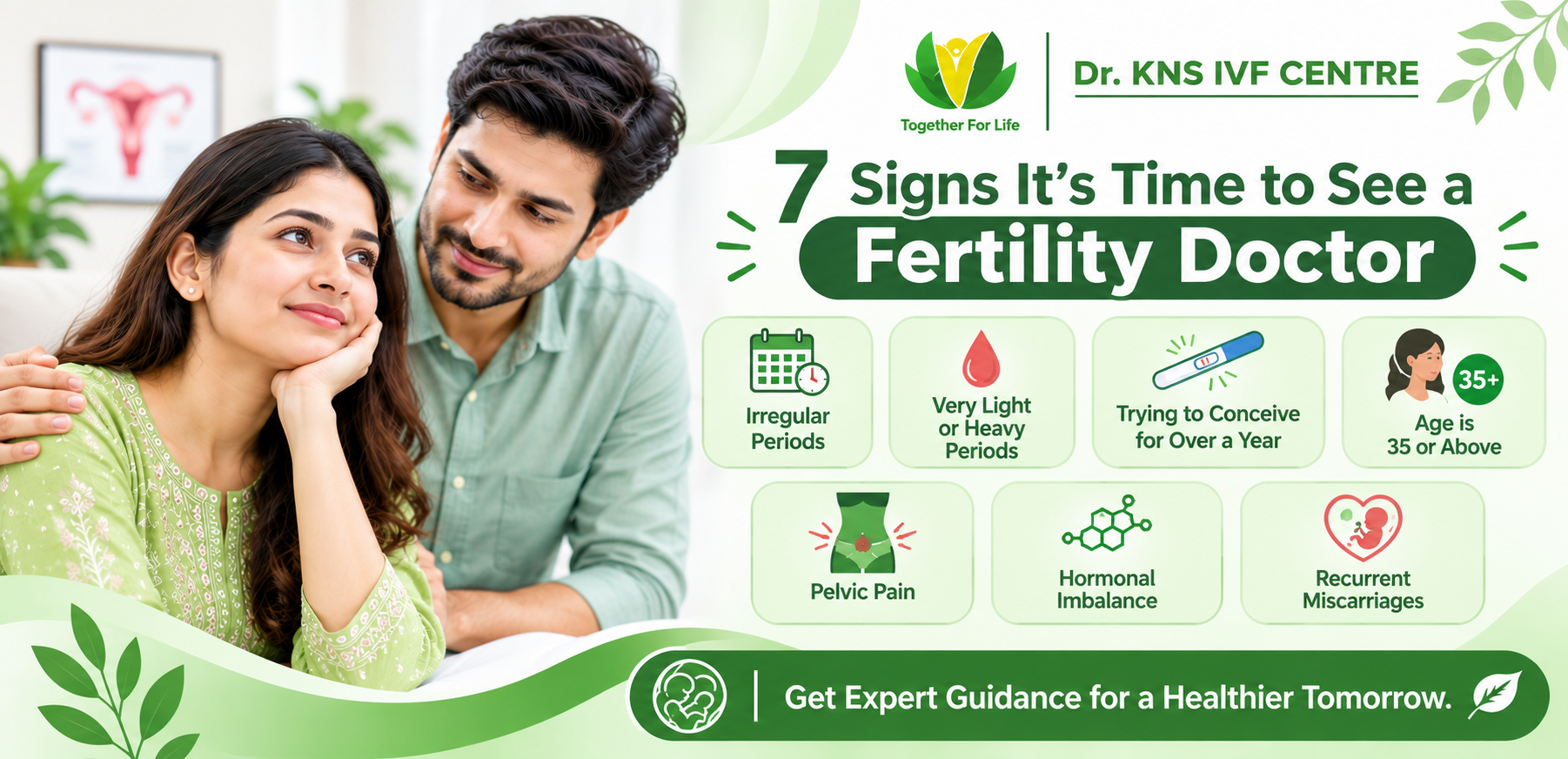
Wondering whether it is time to talk to a fertility doctor? Many couples wait far longer than they need to, hoping next month will bring good news. Waiting is understandable, but some signs deserve earlier attention. This guide explains seven of them in simple words, shows how the layers of the uterus work, and describes what a first consultation feels like, so your next step feels calmer. Take a few minutes to read on.
7 Signs You May Need to Consult a Fertility Doctor
You Have Been Trying to Conceive Without Success
Most doctors suggest an evaluation after 12 months of trying if you are under 35. If you are between 35 and 39, six months is a fair time to ask for help. After 40, there is little reason to wait, because time matters more. And if you already have a medical concern, go earlier. Asking sooner never does harm.
Your Periods Are Irregular or Missing
A regular cycle usually comes every 21 to 35 days. If yours is unpredictable, very far apart, or stops for months, ovulation may not be happening on time. Without ovulation, there is no egg to meet the sperm. A few simple tests can find the cause, and many cycle problems respond well to treatment. Tracking your dates in a diary helps your doctor.
You Experience Severe Period Pain or Pelvic Discomfort
Some cramping is normal. Pain that makes you miss work, spreads to the back, or hurts during sex is not something to simply put up with. It can point to endometriosis, or to adenomyosis, where tissue grows into the muscle uterus layer. Both can affect fertility, and both can be treated. Tell your doctor exactly how it feels. Early scans help.
You Have Been Diagnosed With PCOS, Endometriosis or Fibroids
These conditions are common, and many women with them do conceive. Still, each can get in the way. PCOS can disturb ovulation, endometriosis can scar the pelvis, and fibroids growing within the layers of the uterus can change its shape. If you have one of these, speak to a fertility doctor early. They are not a reason to lose hope.
You Have Experienced Repeated Pregnancy Loss
Losing a pregnancy is painful, and losing more than one is heartbreaking. If you have had two or more losses, it is worth finding out why. Hormones, a scarred or misshapen uterus layer, blood clotting and the chromosomes of the embryo can all play a part. Tests may give answers, and answers lead to a plan. Do not carry it alone.
You Have a Known Ovulation or Hormonal Problem
Thyroid trouble, high prolactin and PCOS are among the problems that can stop an egg from being released properly. You may already have been told you have one of them. If so, do not wait for it to settle on its own. A fertility doctor can check your hormones and guide treatment aimed at pregnancy. It is quite fixable.
Age or Medical Treatment May Affect Your Fertility
Egg numbers and quality fall with age, especially after 35. Cancer treatment can lower fertility, and pelvic radiation may even affect the layers of the uterus. Ovarian surgery and some long term illnesses can do the same. If any of this applies to you, a visit before you try can help. Sometimes the best advice is about protecting fertility now, not fixing problems later. Even one short consultation gives you options.
How Can the Layers of the Uterus Affect Fertility?
What Are the 3 Layers of Uterus?
The uterus wall has three parts. The perimetrium is the thin outer cover. The myometrium is the thick middle muscle that stretches in pregnancy. The endometrium is the inner lining where an embryo settles. These 3 layers of uterus work as a team, so trouble in any of the layers of uterus, such as fibroids or a thin lining, can make conceiving harder.
What Are the Layers of Endometrium , and Why Do They Matter?
The lining has two parts of its own. The functional layer thickens every month and sheds during your period. The basal layer lies beneath it and rebuilds the lining afterwards. Together, the layers of endometrium decide whether an embryo can attach. Scarring or infection that harms this uterus layer can cause light periods and failed implantation.
When Should You Discuss Uterine Health With a Fertility Specialist?
Speak up if you have very light or very painful periods, past uterine surgery, fibroids, or repeated pregnancy loss. A scan can show how the womb and its lining look.
What Happens at Your First Fertility Consultation?
Nothing about a first visit should feel frightening. Expect a conversation first, and tests only where they are needed. No question is too small, and most people leave with fewer worries than they came in with. The doctor will usually cover:
- How long you have been trying and how your menstrual cycles behave
- Your medical history, past pregnancies and any earlier treatment
- A check of ovulation and other factors, when the picture calls for it
- Possible ultrasound, blood tests or other investigations, based on your needs, including a look at the layers of the uterus
- Sperm health of your partner, where appropriate
- Next steps, explained in plain words once the findings are in
Questions are welcome, and bringing your partner helps.
Why Early Fertility Guidance Can Help You Plan Your Next Steps
Asking early does not mean you are rushing into treatment. It simply gives you information. Sometimes the answer is reassuring, and a few small changes are enough. Sometimes a problem is found while it is still easy to treat. Either way, you stop guessing and start planning, which saves months of worry, and often money too. Couples who understand their situation can also choose a pace that suits them, instead of one forced by age or panic. It also lets the doctor look at both partners together, rather than one at a time after months apart.
Book a Fertility Consultation for Personalised Guidance
Every couple's story is different, and the advice should be too. At Dr. KNS, our fertility team will listen, explain your options and help you choose a path that fits your life. Book a consultation through the hospital's contact details, and bring any old reports with you. There is no pressure to decide anything on the first day.
Frequently Asked Questions About Fertility and Uterine Health
Latest Blogs